Alpine Skiing: Breaking down PH's lonesport at the Winter Olympics

Alta Sports3 months ago · 229 views
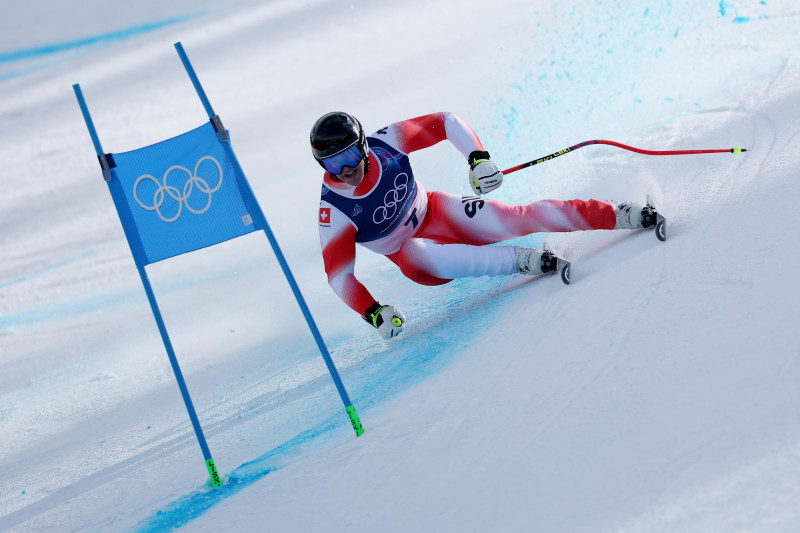
Photo by Dustin Satloff/Getty Images
By James Ajero
Although alpine skiing is not traditionally part of the Philippines’ sports program due to the country’s tropical climate, the discipline has gained renewed attention as Francis Ceccarelli and Tallulah Proulx prepare to represent the nation as a two-athlete contingent at the Milano Cortina Winter Olympics.
Alpine skiing events at the Games will be held from February 7 to 18, with competitions split across two venues. The men’s events will take place at the Stelvio Ski Centre in Bormio, while the women’s are scheduled at the Tofane Alpine Skiing Centre in Cortina d’Ampezzo.
As the Philippines continues to carve out a presence in the sport, here is a closer look at alpine skiing and its relevant events.
History in the Winter Olympics
Alpine skiing made its Olympic debut at the 1936 Winter Games in Garmisch-Partenkirchen, Germany, where the host nation dominated the competition by claiming four of the six medals contested across the men’s and women’s events.
Norwegian great Kjetil Andre Aamodt stands as the most decorated alpine skier in Olympic history, amassing eight medals (four golds, two silvers, and two bronzes) over the course of his career.
On a national level, Austria reigns supreme in Olympic alpine skiing, having accumulated a total of 121 medals, including 37 golds, cementing its status as the sport’s most successful country on the Winter Games stage.
Types of events
Both men and women compete in technical and speed disciplines in alpine skiing, with each category highlighting a distinct set of skills.
Speed events are contested on longer courses with wider gate spacing, placing an emphasis on raw speed, balance, and control at high velocities. The two speed disciplines are downhill and super-G, with winners determined by the fastest time to complete the course.
While downhill events typically feature the longest courses and highest speeds, super-G races are run on slightly shorter tracks with more turns and technical demands.
On the other hand, technical events focus on precision, agility, and turning technique. These include slalom and giant slalom, where athletes are required to complete two runs, with the combined time determining the final standings.
Giant slalom courses are longer, while slalom events feature the shortest courses and the highest number of gates, demanding quick reflexes and sharp, controlled turns.
All comments 4

ronn gutierrez
3 months agoReply
 0
0
Eric Ni
3 months agoReply
0
Ruth Conde
3 months agoReply
0
Ariel Baribada Gonzales
3 months agoReply
0No more comments
6
4
1
Share